
2023 – 2024 · Denver, Colorado
Ultra-light travel gear for the modern explorer.
ULT Gear was a one-person product lab: about thirty ideas for gear I wished existed, taken as far as tech packs, factory samples and prototypes before the math caught up. This is what got built.

The idea
Three concepts, one bag
Ultralight backpacking, digital nomads, minimalist travel. Three groups buying the same kind of gear from different aisles. ULT Gear was designed to sit in the middle: ultralight packable clothing and accessories designed to simplify travel while minimizing your pack.
The products
Thirty ideas. Twenty-one that left the sketchbook.
Every card is a real project with real artifacts: factory samples, tech packs, annotated revisions, patent searches. The status pill says how far each one got. The words between them are how it actually went.
Clothing first
I started with clothing because it seemed like the simplest place to begin. I wanted one of everything with the ULT Gear label on it: hoodies, shirts, shorts, socks. Quick-dry, wrinkle-resistant, stain-resistant, with built-in packing pockets and zippered pockets everywhere. Every feature I look for in travel gear, in every piece, designed for minimalist travel.
That's where I learned about tech packs, material sourcing and minimum order quantities. Some ideas died because I couldn't get the materials I wanted. Some died because an existing product already did it better. Some died because it's nearly impossible to explain a design to a factory through text and pictures, and manufacturing in the US was too expensive. Most died on the minimum order. Shipping times didn't help: every one-way shipment to or from an overseas manufacturer took two to three months, so a few rounds of prototyping could take up to a year for a single product.
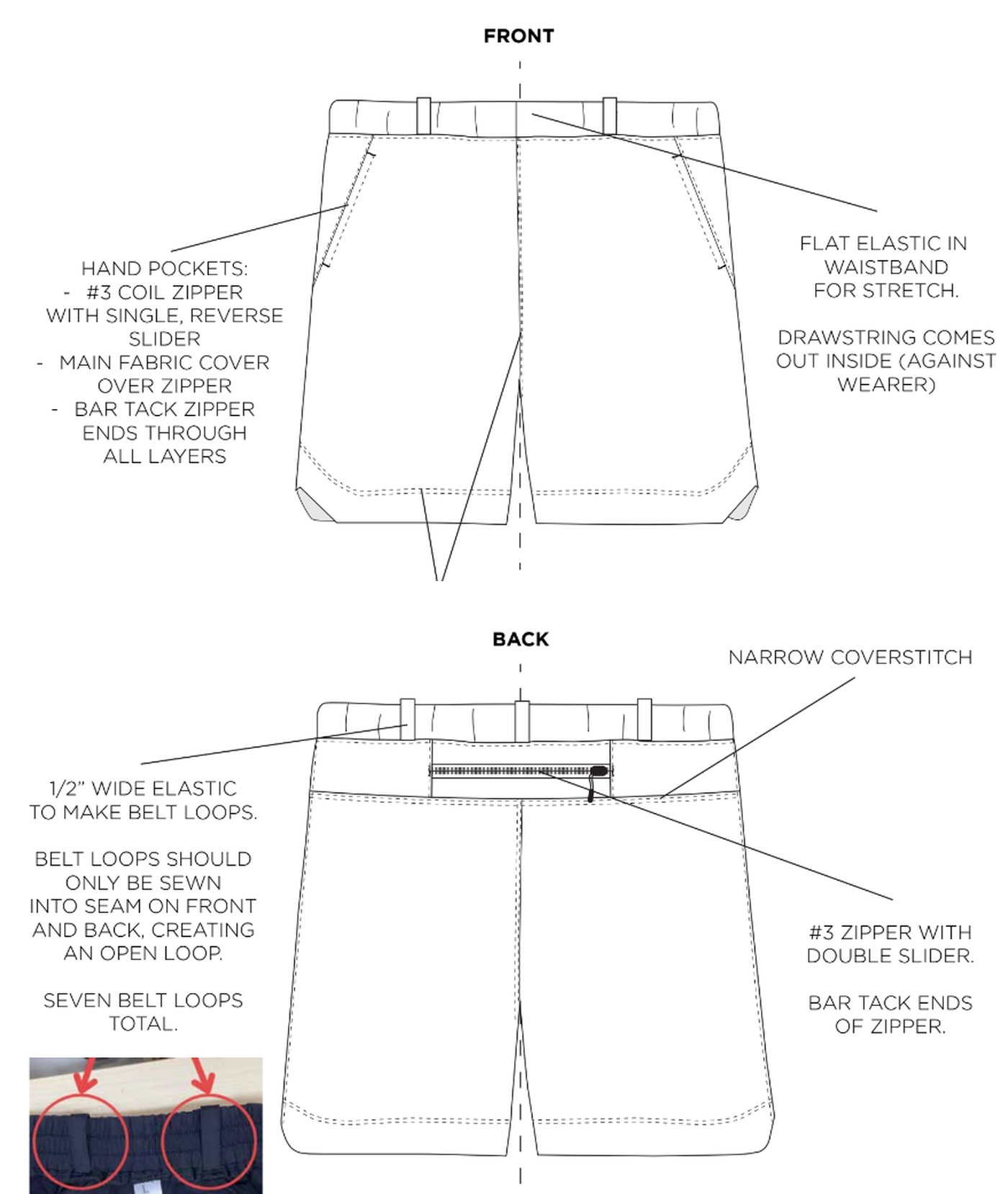
Packable Travel Shorts

Packable Travel Pants
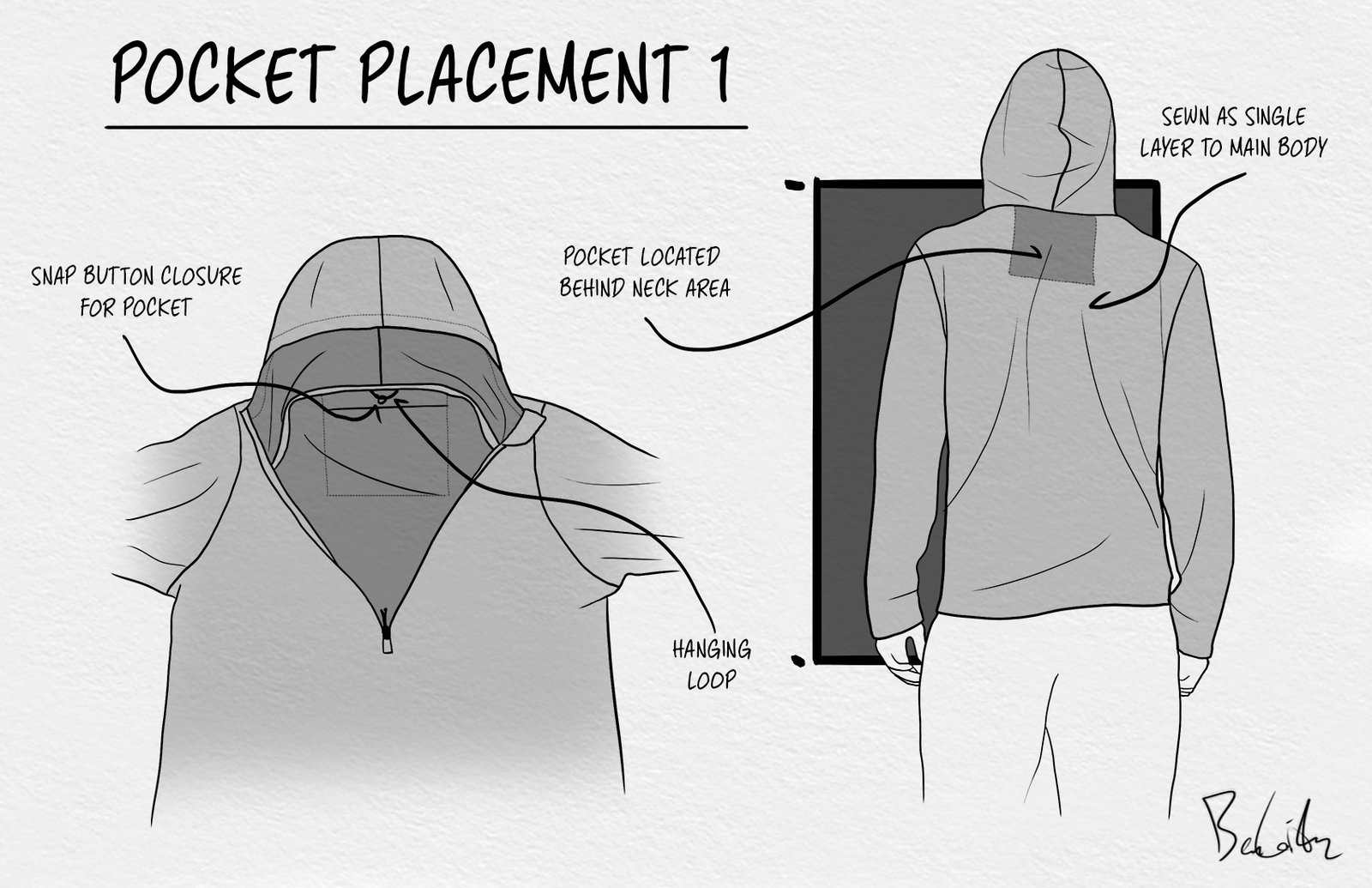
Packable Travel Hoodie
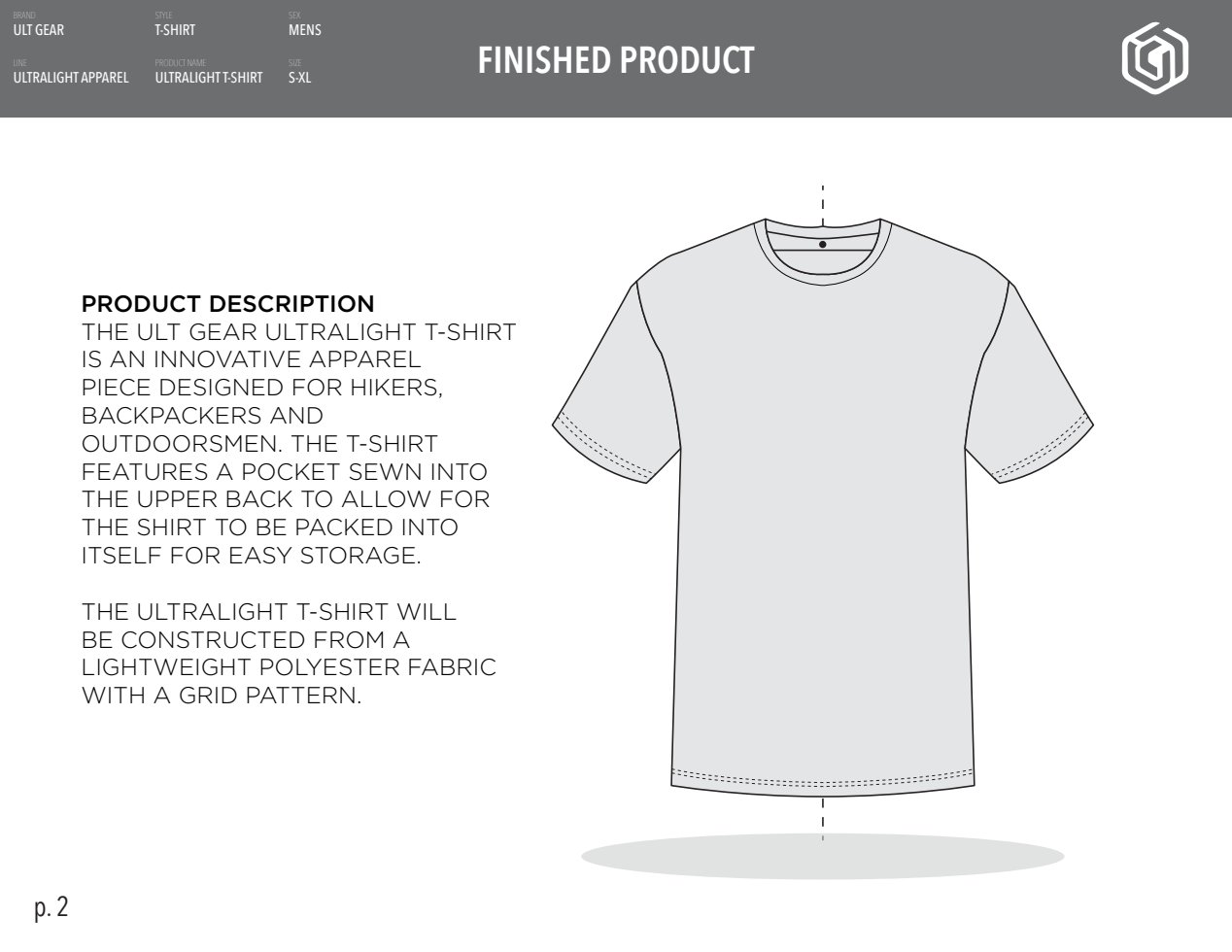
Packable T-Shirt
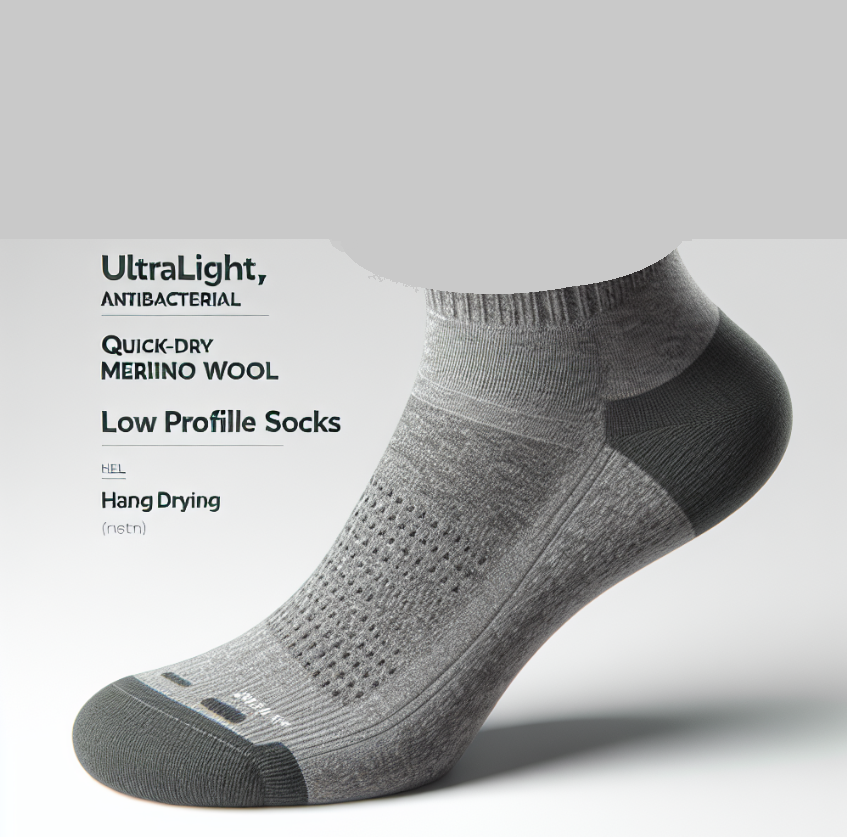
Quick-Dry Travel Socks
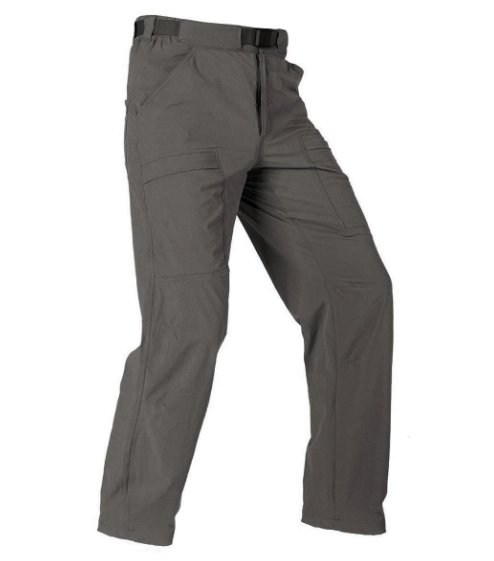
Convertible Hiking Pants
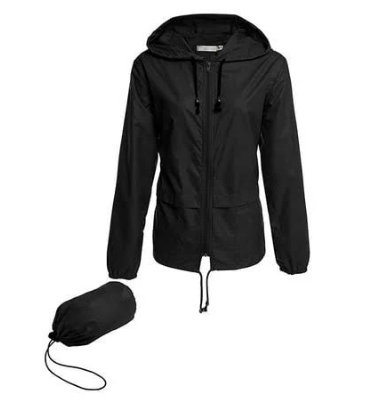
Packable Rain Jacket
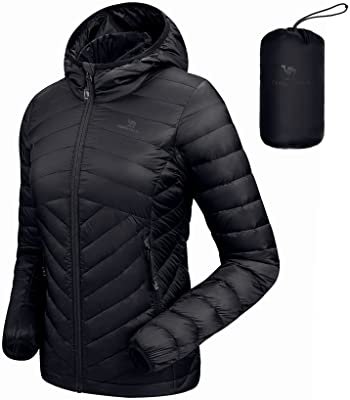
Packable Puffer Jacket
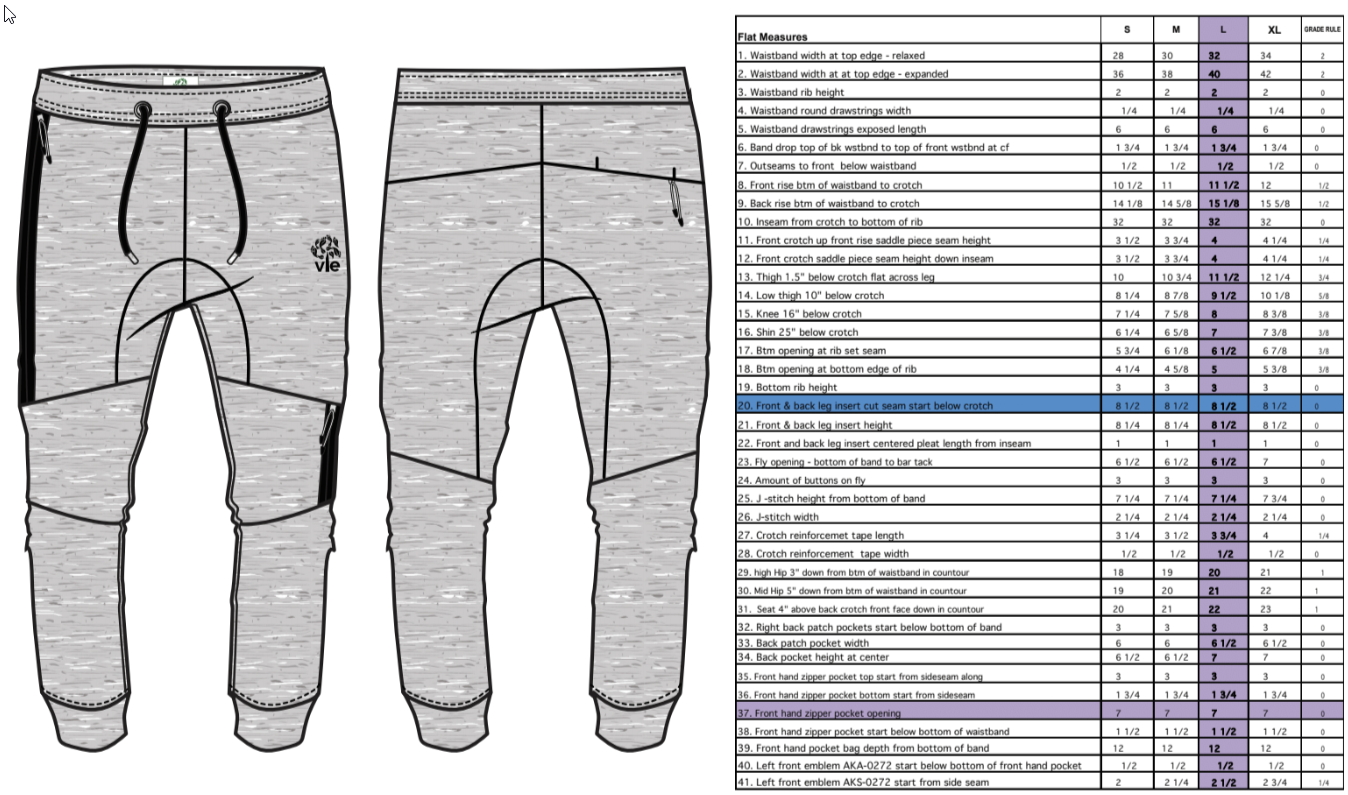
Everything Else: Apparel
Stayed on paper
- Packable Rain PantsPaired with the packable rain jacket.
- Quick-Dry UnderwearQuick-drying, with hidden zipper pockets.
- Arm and Leg SleevesLayering accessories for cold weather.
Bags and backpacks, in parallel
Alongside clothing, I worked on multiple backpack, day pack and sling bag concepts, but hit similar walls: difficulty sourcing materials, long prototyping cycles, minimum order quantities, and language and communication barriers with manufacturers.
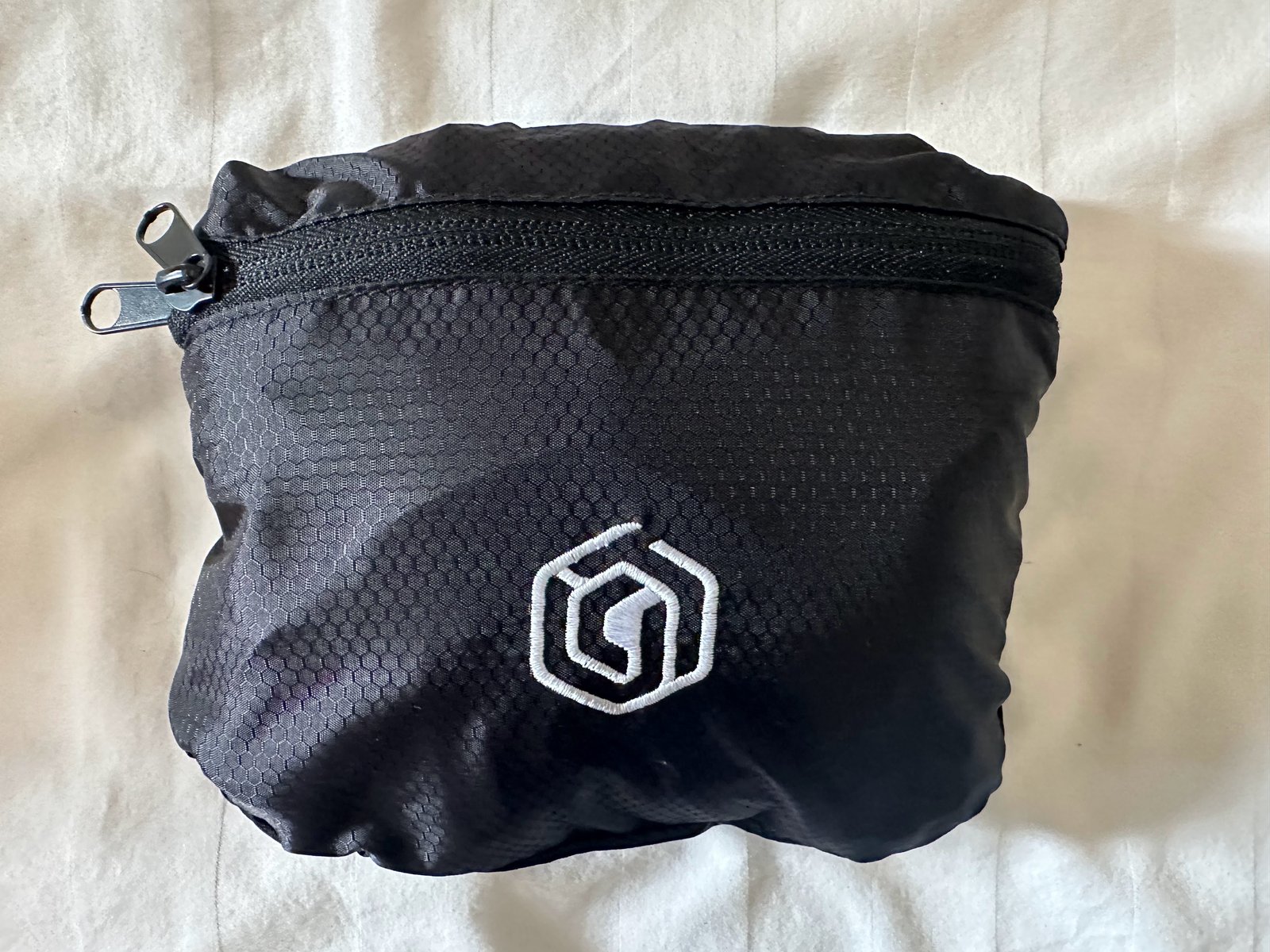
Packable Day Pack
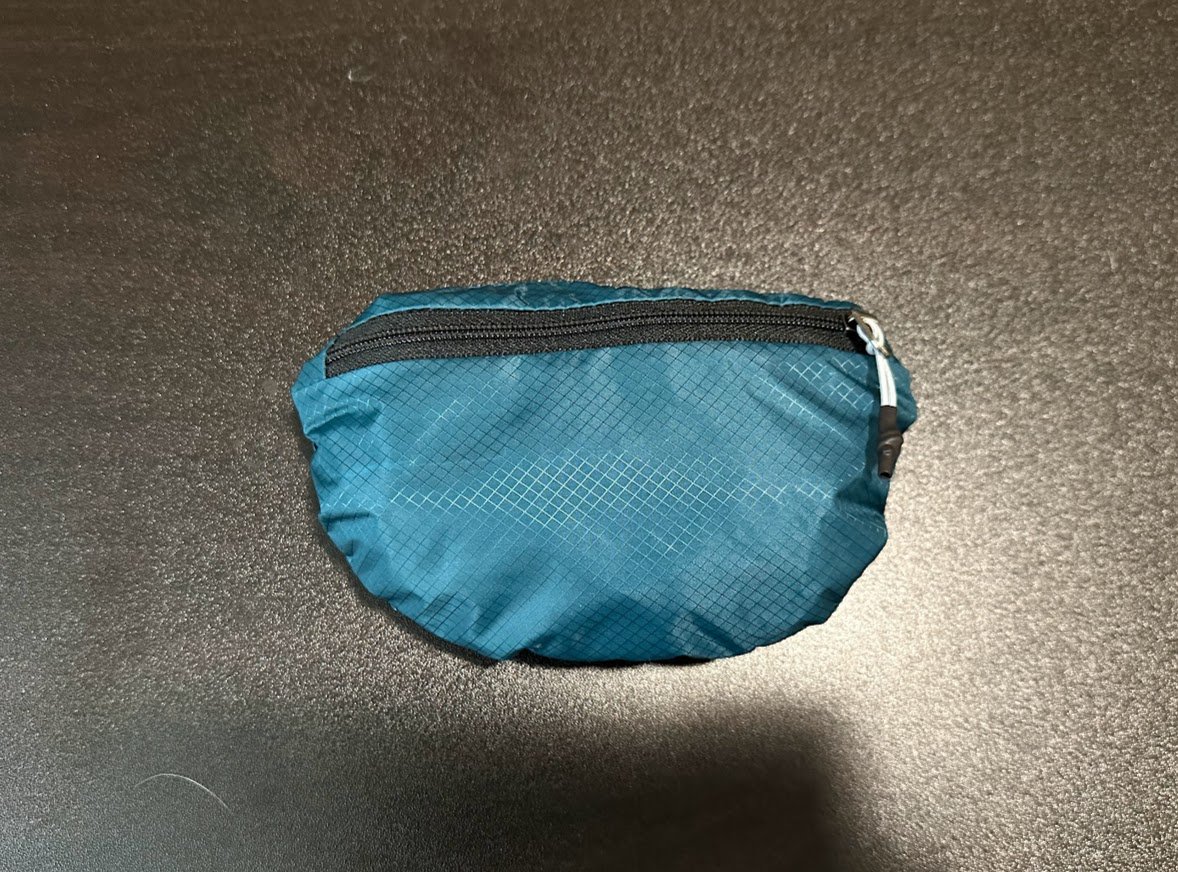
Packable Waist Pack
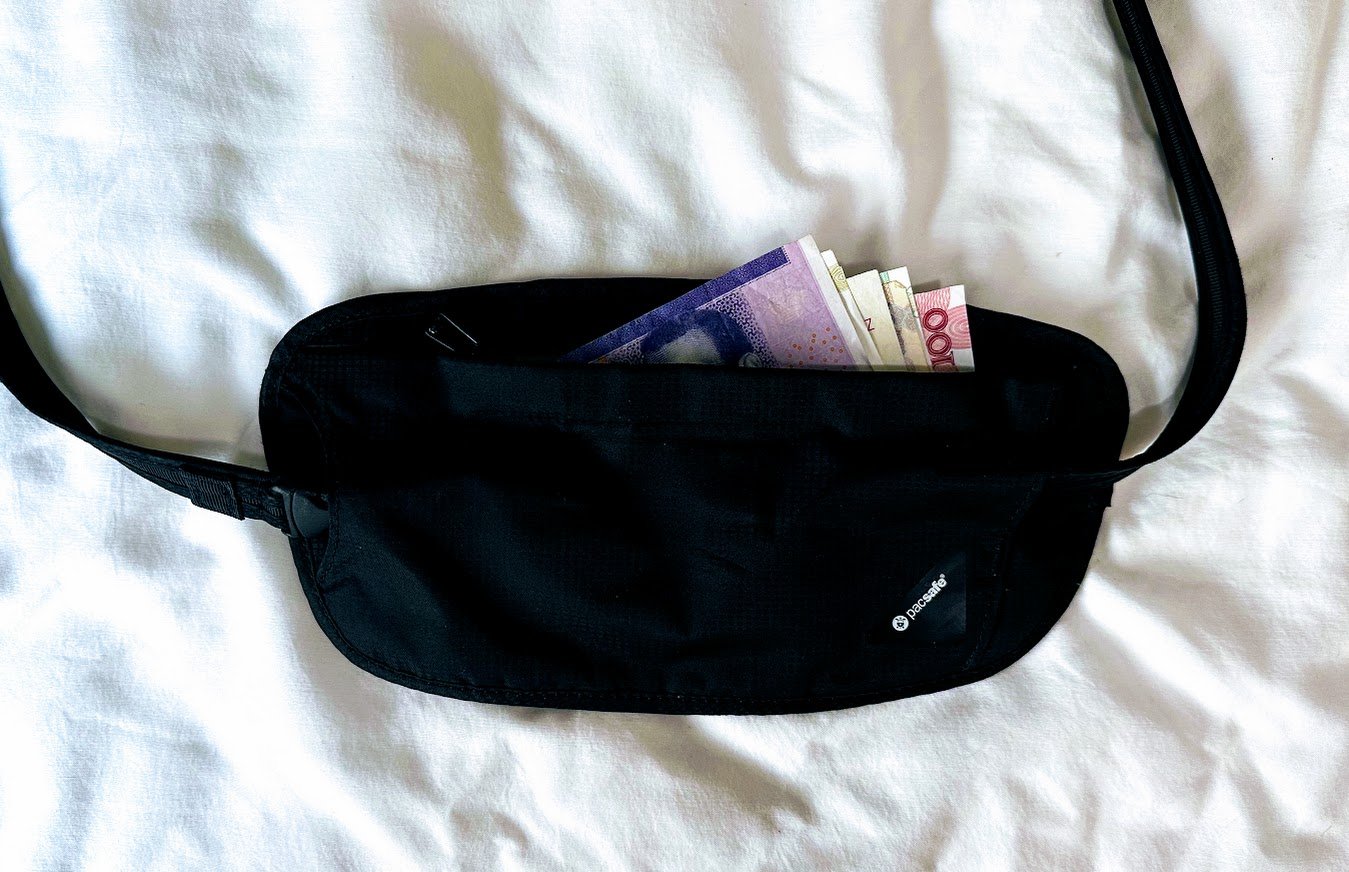
Security Chest Sling
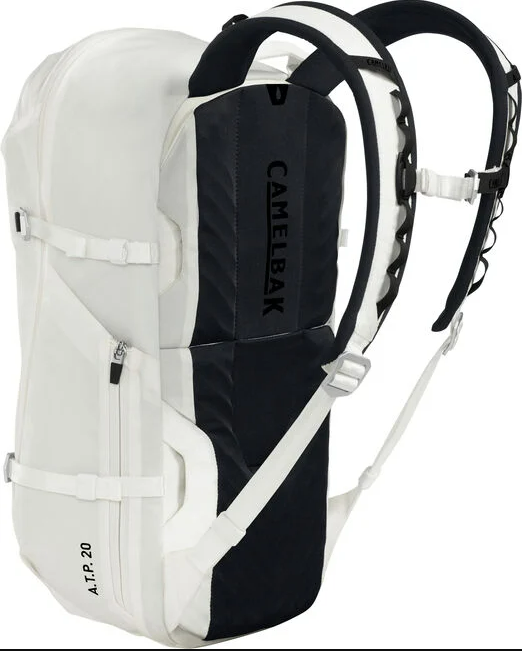
Ultralight Backpack
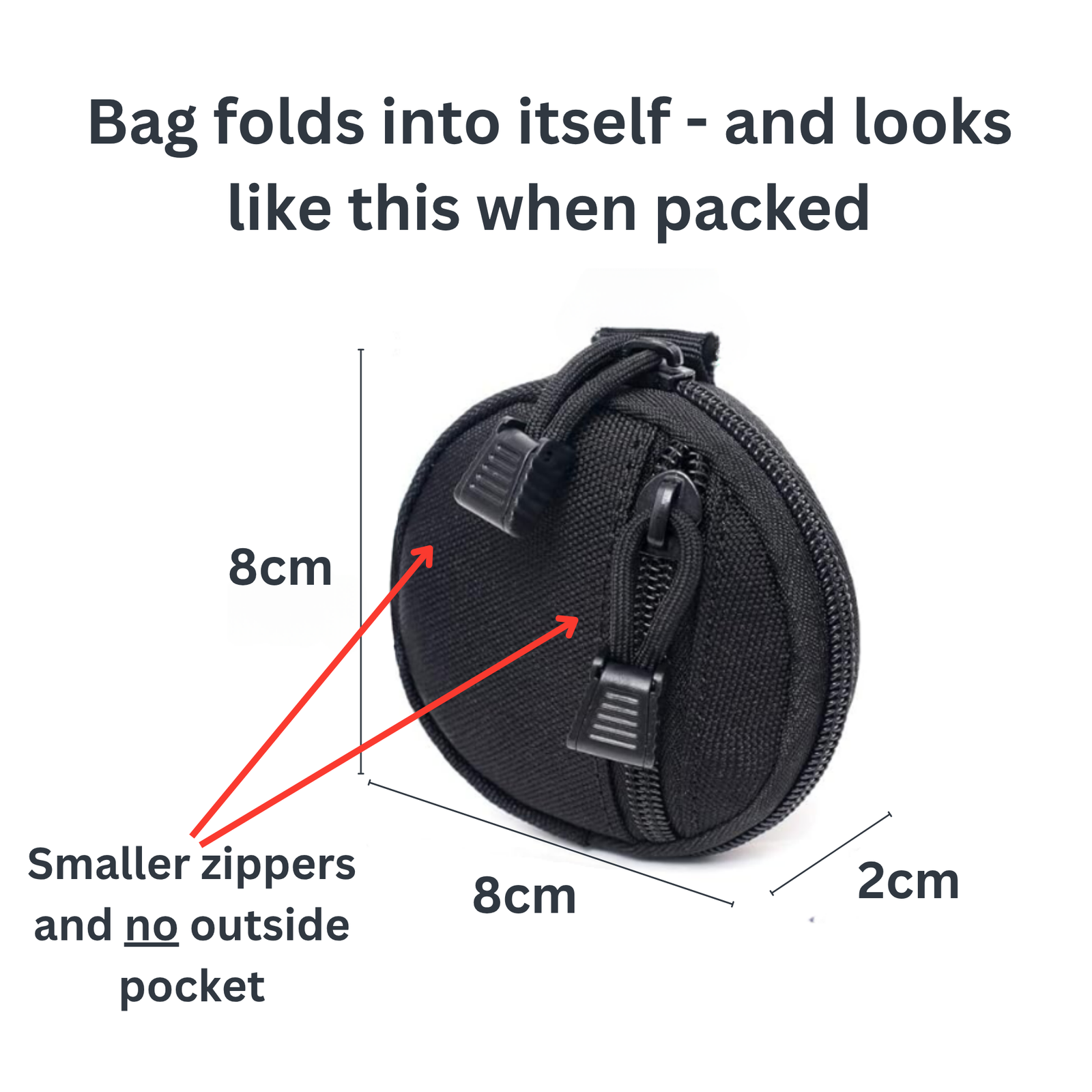
Packable Keychain Tote Bag
Stayed on paper
- Compression and Vacuum BagsTo shrink clothing down inside the pack.
- Ultralight Dry BagsWaterproof storage that weighs next to nothing.
- Ultrathin Packing CubesOrganization without the added bulk.
Travel accessories
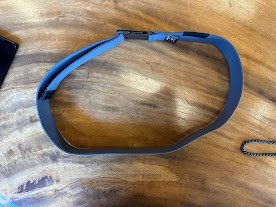
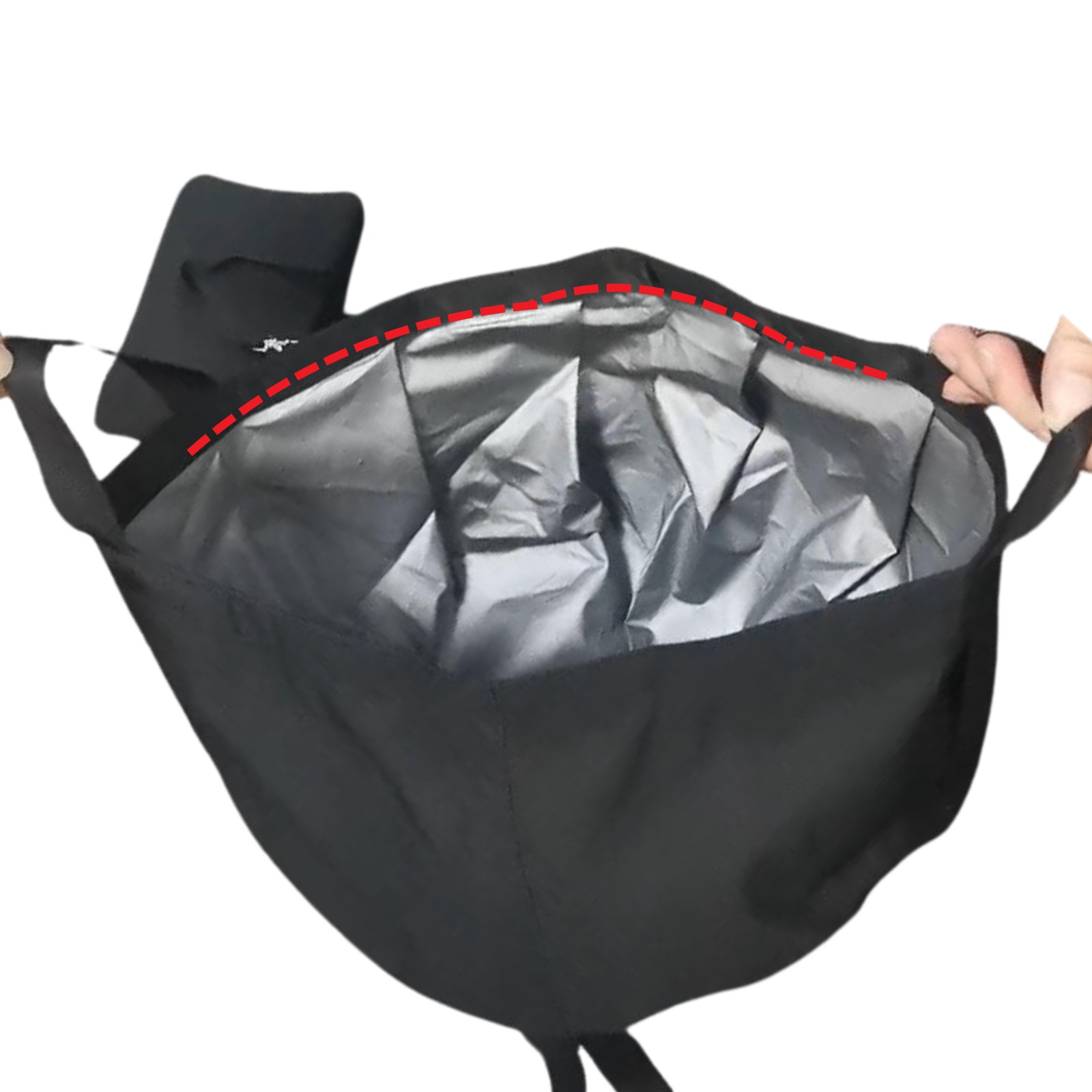
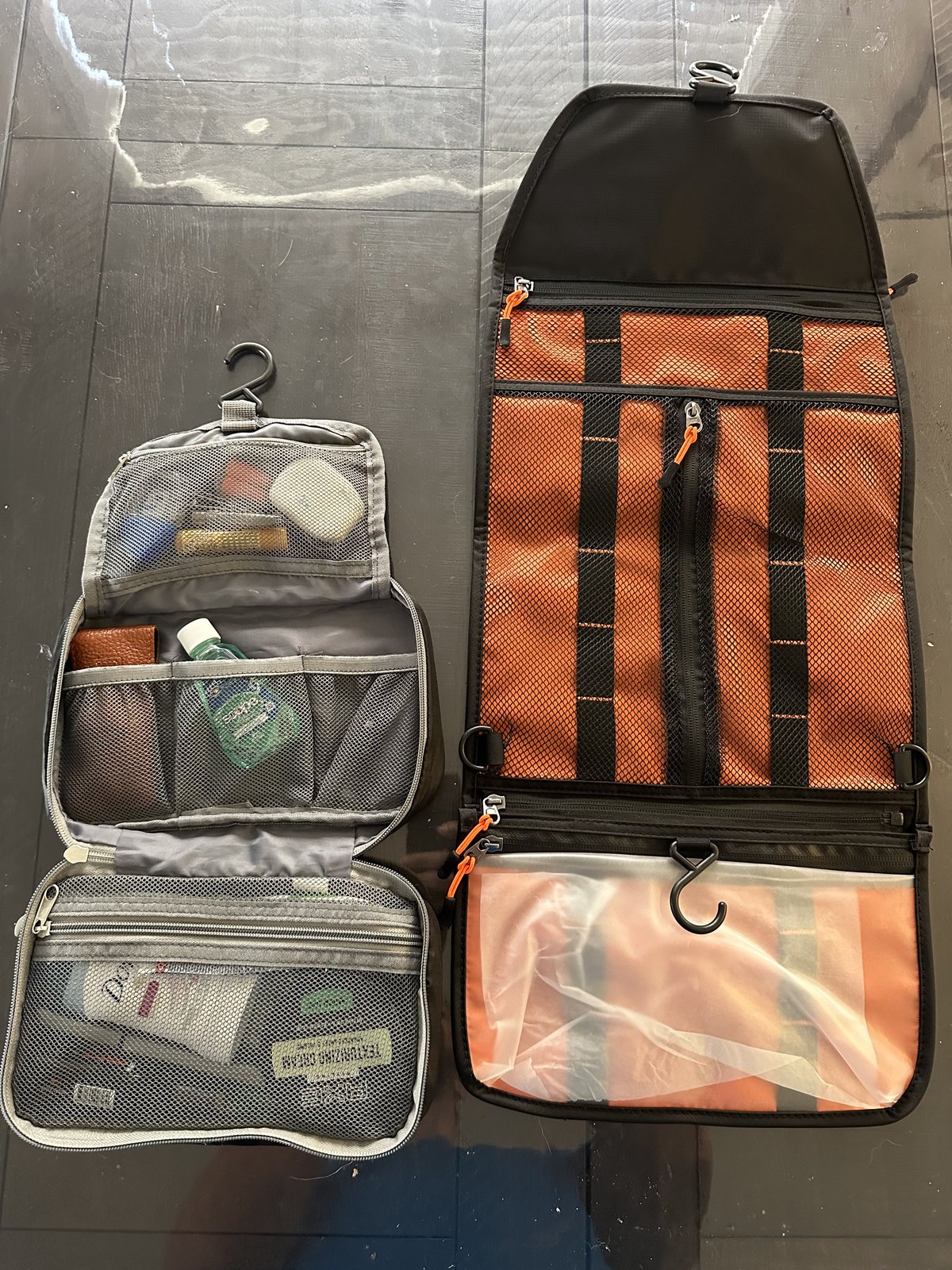
Beyond clothing and bags, I had a long list of travel accessories I wanted to exist, and pursued a handful: a security belt that combined my favorite travel features (no metal, stretch fabric, hidden pockets), an ultra-portable drying rack for the perennial problem of nowhere to hang clothes in a hotel or hostel, a packable picnic and beach blanket, an ultralight toiletry bag for bathrooms with limited counter space, and a packable wash basin for doing laundry in the sink.
I worked with product designers, 3D printing companies, component manufacturers and material suppliers from all over the world, but kept running into the same issues: rare materials, prohibitively long prototyping cycles, manufacturer minimums, and custom component costs.


The technical ones
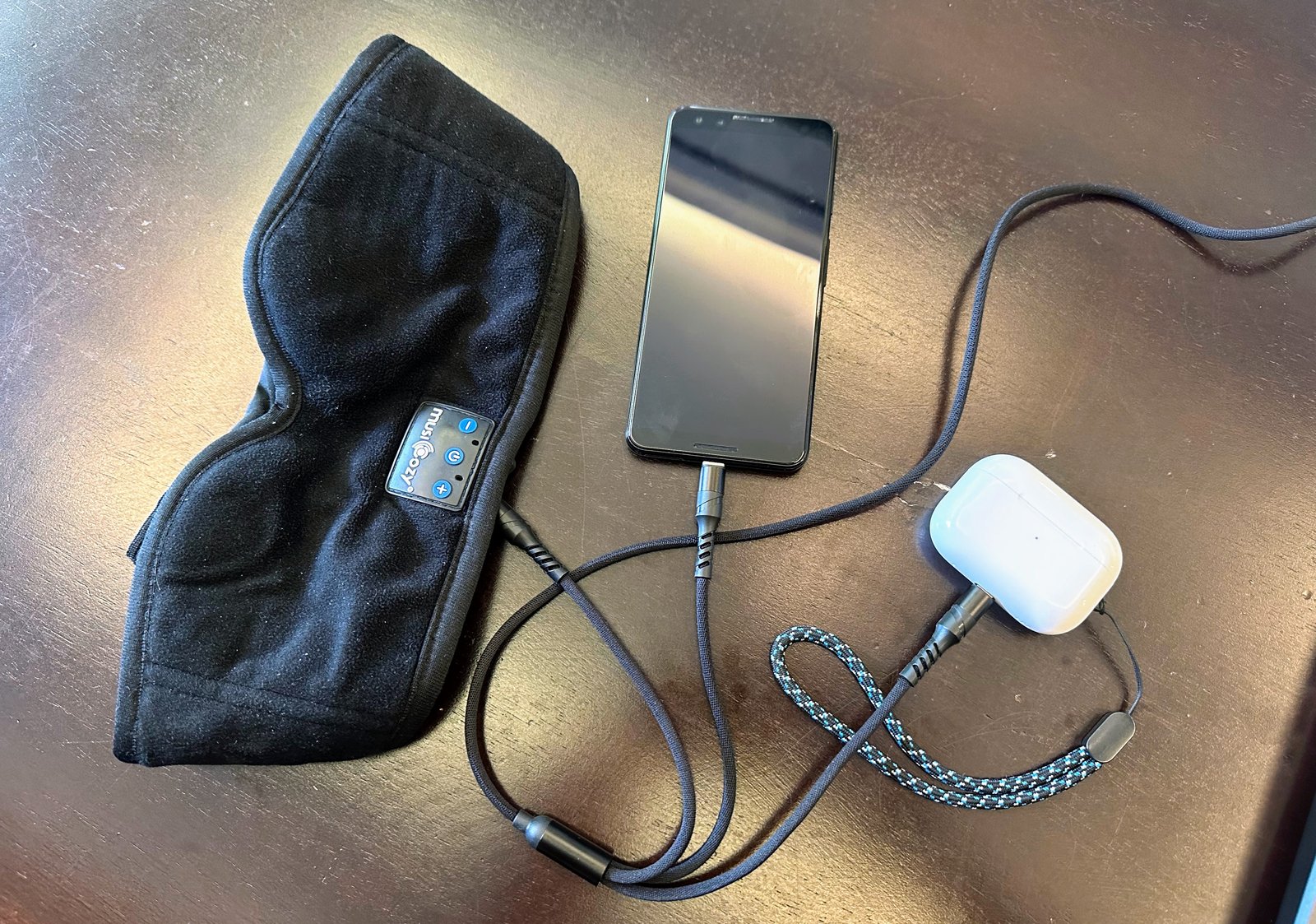
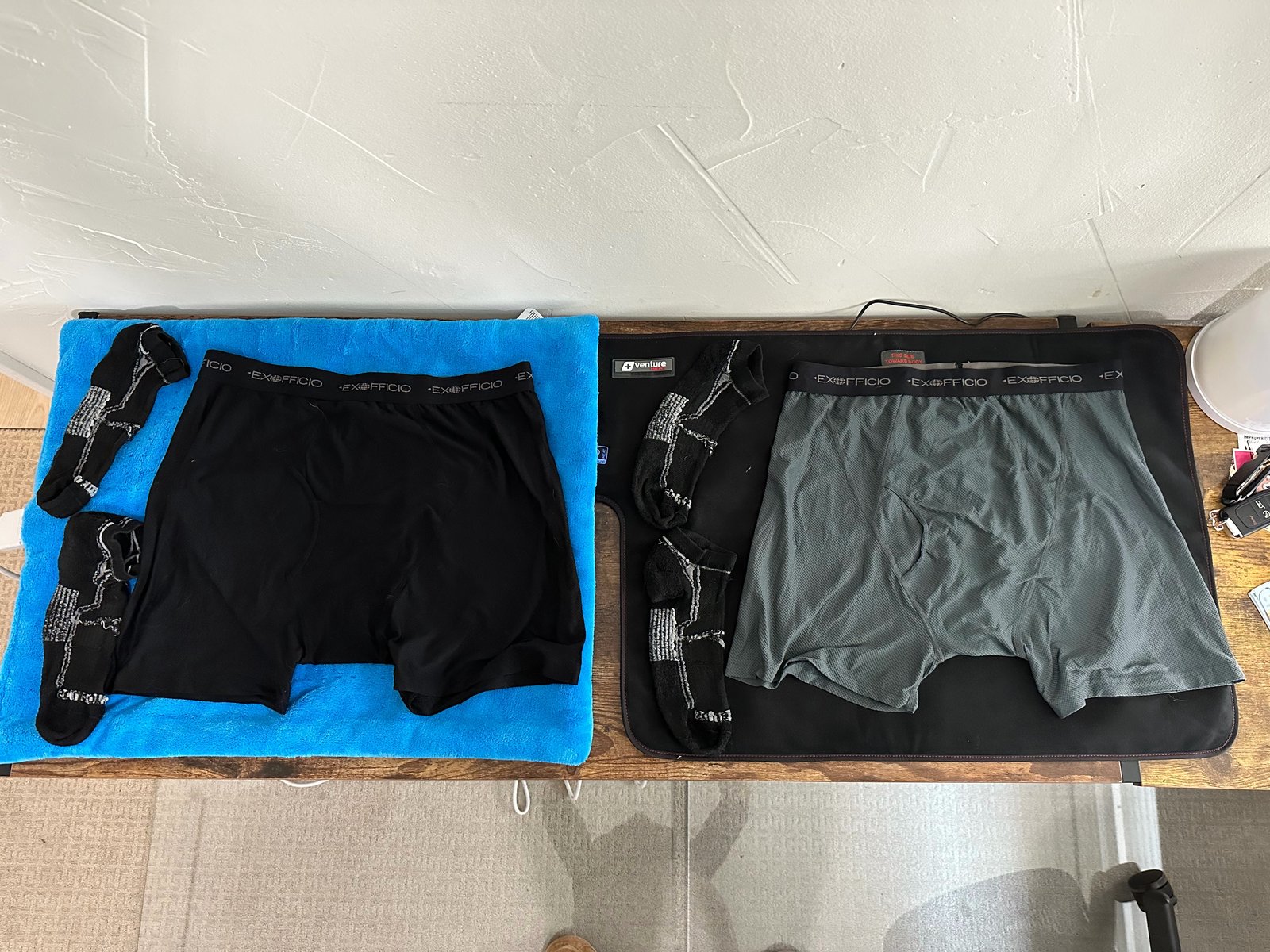
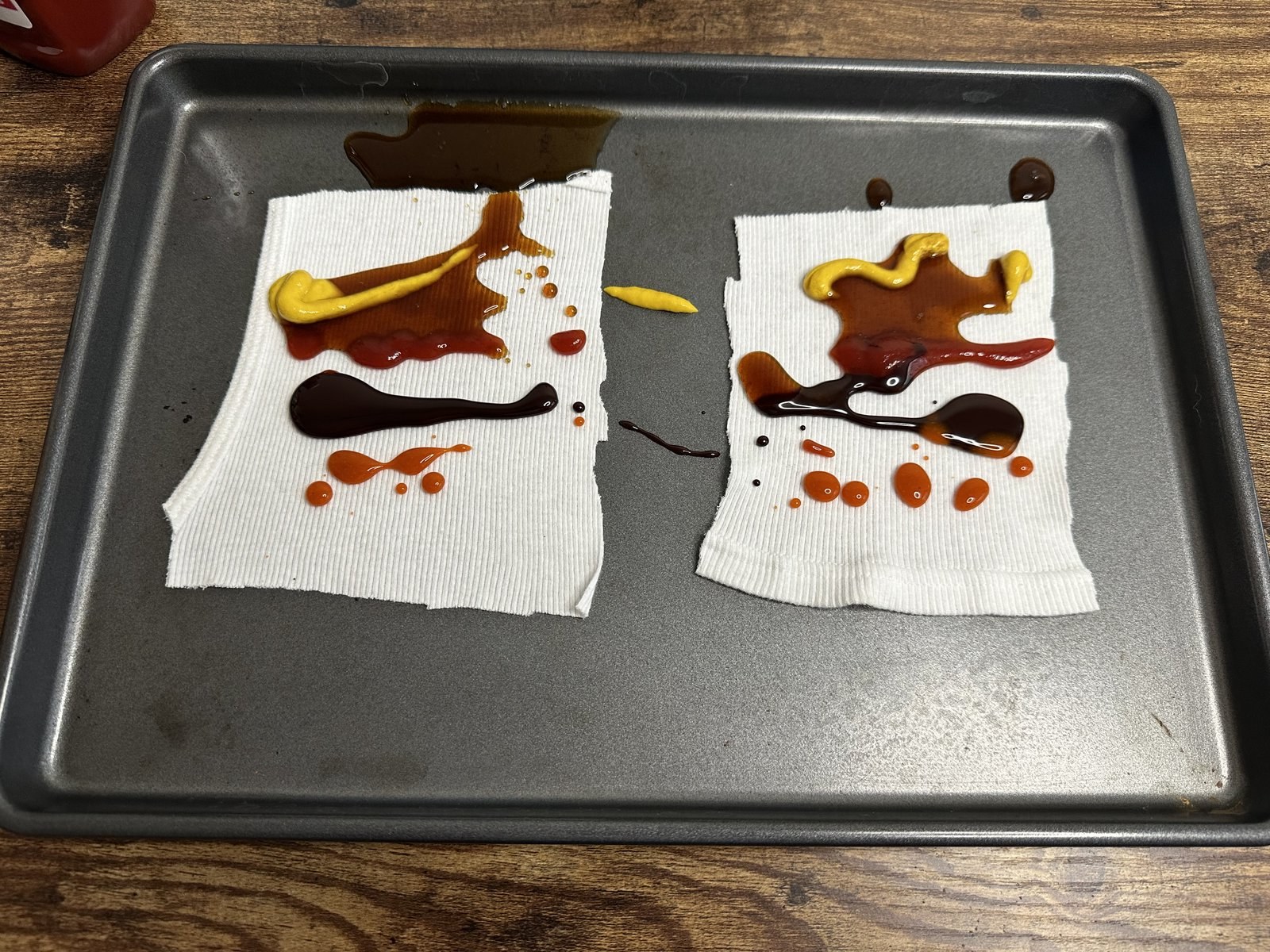
Some of the concepts were technical: a packable heating pad for drying clothes, a packable heated hanger, heated clothing in general, a portable ultrasonic cleaner for washing clothes. They relied on technology I knew existed in other products, without knowing whether I could adapt it to mine. So I started by testing what was already on the market to see whether it worked as advertised: staining and cleaning tests, heating and drying tests, packing and wrinkle tests.
A lot of the time went into finding out what was possible, technically and legally. Could I license the technology? Could I change a design enough to stay clear of a patent? Did I need patents of my own, and did any already exist? For most of these ideas, the real work was deciding whether they were possible and worth pursuing at all.
Stayed on paper
- Heated ClothingConcept, tied to the USB battery belt as the power source.
- USB-Powered Battery BeltPrior-art search, February 2023, alongside the heated towel.
Travel shoes
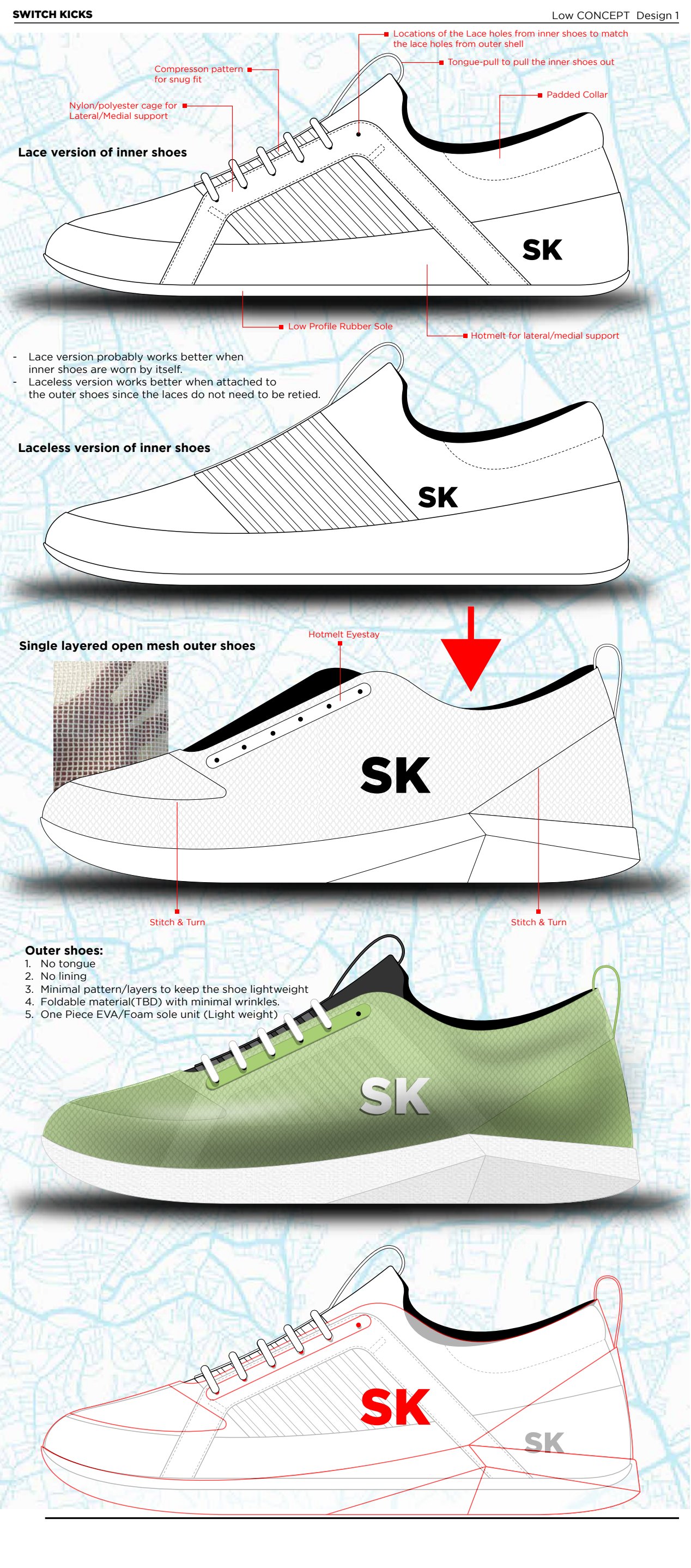
One project I spent a lot of time on was called SwitchKicks. Shoes have always been the traveler's problem. At a minimum you need sandals, hiking shoes and something casual, and ideally a dressier pair, a higher-ankle hiker, and a cold-weather shoe if your route crosses climates. So I wondered whether I could build a layered shoe system: a minimalist base shoe for the beach or barefoot running, with slip-on layers that change its function or its look. Patterns and materials for style, an adjustable base for traction.
I worked with two shoe designers to get the concept down. It died when I learned that a single shoe mold, one size of one style, runs $10k to $12k. For a system built on a flexible base plus layers, materials and outsoles, that meant something like $500k to $1M in R&D before anyone could try a pair on.
Stayed on paper
- Minimalist Barefoot SandalsVibram outsole, three straps, under 12 oz. Notes only.
Why it ended
Every idea died from some mix of cost, time, and the slow realization that I was building for a market of one: me. I still believe I could have built a market around ultralight travel, but not without serious time and outside investment.
I spent about twelve months on it, off and on, across clothing, bags and accessories. When one concept hit a roadblock or a long wait for materials or prototypes, I moved on to the next. It was an incredible learning experience: manufacturing and prototyping, fabric and material selection, product design, and the limits of patents and licensing.
I still dream of building some of these products, just with more realistic expectations. They're custom things I want made for myself.
More projects at tchristiaan.com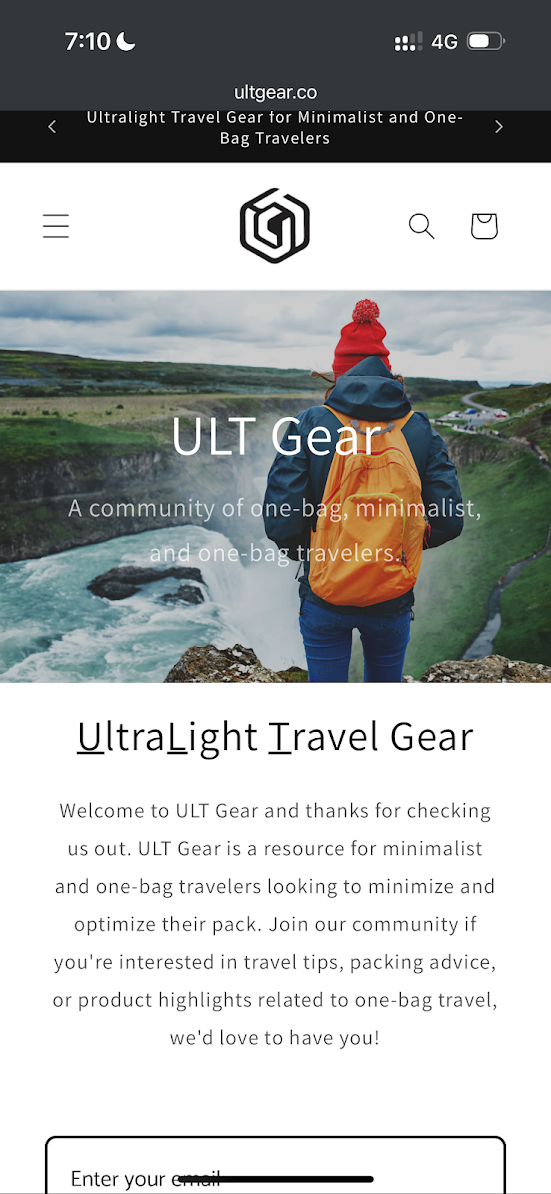
The storefront
Before the products, a store
ULT Gear launched in 2023 as a curated shop of the best ultralight gear already on the market, with the plan to swap in ULT Gear's own designs as they came off the line. The store ran; the products never came off the line.